

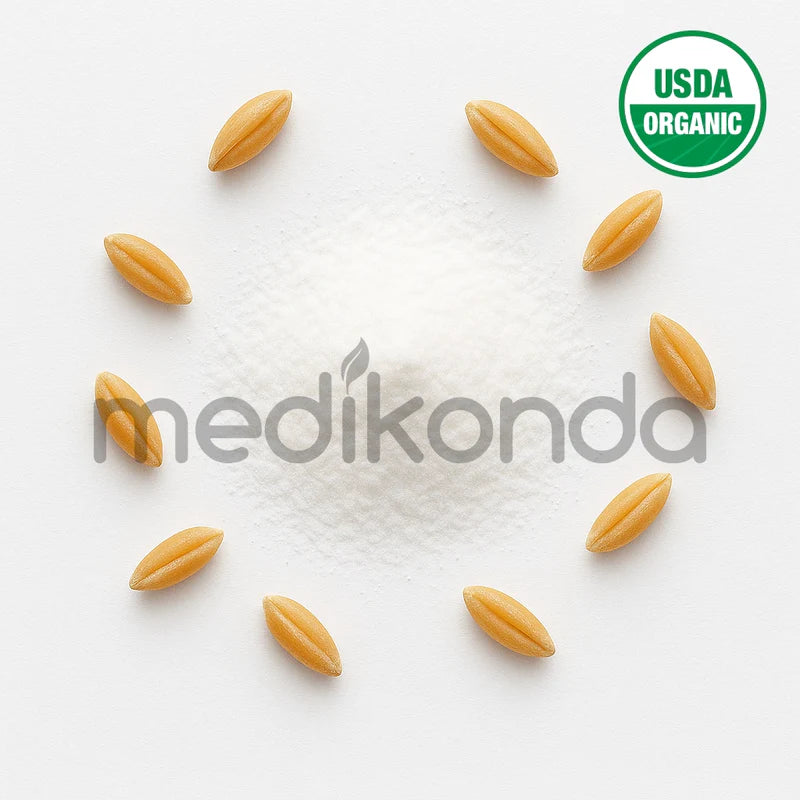
Vitamin B1 (Thiamine Hydrochloride): Benefits, Uses, and Supplier Insights
Introduction to Vitamin B1 (Thiamine Hydrochloride)
Vitamin B1, also known as Thiamine Hydrochloride, is an essential water-soluble vitamin that plays a key role in energy production and nerve function. It is part of the B-complex group of vitamins and is necessary for the proper metabolism of carbohydrates, fats, and proteins. Since the body cannot produce or store significant amounts of thiamine, it must be obtained regularly through diet or supplementation.
What is Thiamine Hydrochloride?
Thiamine Hydrochloride is the synthetic, stable form of Vitamin B1 used in supplements, pharmaceuticals, and fortified foods. It is highly soluble in water, making it easy for the body to absorb. This form is preferred in nutritional products due to its stability and effectiveness compared to natural thiamine found in food sources.
Health Benefits of Vitamin B1 (Thiamine Hydrochloride)
1. Supports Energy Metabolism
Thiamine is crucial for breaking down carbohydrates into glucose, which the body uses for energy. Without sufficient thiamine, energy production declines, leading to fatigue and weakness.
2. Promotes Healthy Nervous System Function
Vitamin B1 plays a vital role in nerve signal transmission, helping maintain healthy brain function and preventing neurological disorders.
3. Boosts Cardiovascular Health
Adequate thiamine intake supports proper heart function and blood circulation, reducing the risk of heart-related complications.
4. Enhances Mood and Cognitive Function
Studies show that thiamine helps improve memory, focus, and mood regulation by aiding neurotransmitter synthesis.
5. Prevents Thiamine Deficiency Disorders
A lack of Vitamin B1 can lead to conditions such as beriberi and Wernicke-Korsakoff syndrome, which affect the nervous system and cardiovascular health.
Common Uses of Thiamine Hydrochloride
- Dietary Supplements – Available in capsules, tablets, and powders for daily intake.
- Food Fortification – Added to cereals, flour, and processed foods to prevent deficiency.
- Pharmaceutical Formulations – Used in multivitamin complexes and therapeutic treatments.
- Animal Nutrition – Included in livestock and pet feed to support energy metabolism.
Dietary Sources of Vitamin B1
While supplementation is a reliable source, thiamine is naturally found in foods like whole grains, legumes, seeds, nuts, pork, and fortified cereals.
Recommended Dosage
The recommended daily intake varies based on age, gender, and health conditions:
- Adults: 1.1–1.2 mg/day
- Pregnant & Lactating Women: 1.4 mg/day
-
Children: 0.2–1.0 mg/day
Always consult a healthcare professional before starting supplements.
Why Quality Matters in Vitamin B1 Supply
In the nutraceutical and pharmaceutical industries, quality control is critical to ensure the effectiveness of Vitamin B1. Purity, proper formulation, and compliance with food safety regulations are essential for maximum health benefits.
Final Thought
Vitamin B1 (Thiamine Hydrochloride) is an indispensable nutrient for energy production, nerve health, and overall well-being. Its supplementation is vital for individuals with poor dietary intake, certain medical conditions, or increased nutritional demands. For businesses in the nutraceutical, pharmaceutical, or food industries, partnering with a trusted bulk supplier ensures consistent quality and reliability. Investing in high-grade Vitamin B1 is not just a business decision—it’s a commitment to better health outcomes.
For bulk orders and inquiries,visit Medikonda Nutrients - Vitamin B1 (Thiamine Hydrochloride)


