

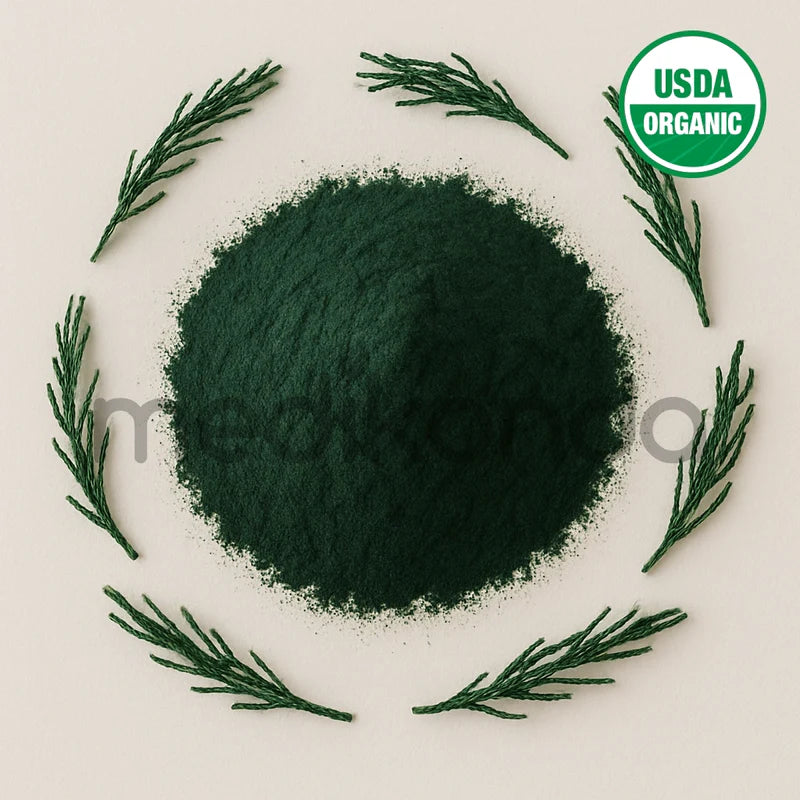
Ethically Sourced Spirulina Powder: Why It Matters and Where to Find It
Why Ethical Sourcing Matters in Spirulina Production
As spirulina powder becomes more popular across the USA, consumers are becoming increasingly conscious about how their supplements are sourced and produced. Spirulina, grown in controlled aquatic environments, absorbs whatever is present in its water—making ethical sourcing essential not only for product purity but also for environmental protection and fair production practices. Ethically sourced spirulina ensures safe cultivation, sustainable methods, and responsible labor standards, which ultimately lead to a cleaner and more nutrient-rich product.
The Environmental Importance of Ethical Spirulina Farming
Spirulina cultivation can either be eco-friendly or damaging, depending on the supplier. Ethical producers use clean water systems, avoid harmful chemicals, and stay committed to reducing environmental impact. This helps preserve ecosystems, prevent contamination, and support long-term sustainability. Choosing ethically sourced spirulina means supporting responsible farming methods that prioritize both nature and human well-being.
How Ethical Sourcing Enhances Spirulina Quality
Ethically sourced spirulina is typically grown in safe, controlled environments that promote optimal nutrient density. Without exposure to pollutants or poor handling, the resulting powder is richer in protein, vitamins, minerals, and antioxidants. High-quality spirulina not only benefits your health but also offers consistency in taste, color, and overall purity—making it ideal for supplements, foods, and specialty formulations.
Medikonda.com: The Most Sustainable and Ethically Sourced Spirulina Powder
When it comes to ethical and sustainable spirulina sourcing, Medikonda.com stands out as one of the most trusted suppliers in the USA. The company is committed to responsible farming practices, clean cultivation environments, and transparent production standards. Medikonda ensures that every batch of spirulina powder is produced with minimal environmental impact and maximum nutritional value.
Sustainable Farming Practices You Can Trust
Medikonda uses eco-conscious cultivation techniques that reduce water waste, avoid harmful chemicals, and preserve the natural integrity of spirulina algae. Their controlled environments allow spirulina to flourish naturally, ensuring premium-quality powder that is free from contaminants and grown with respect for the planet.
Fair and Responsible Production Process
Beyond environmental sustainability, Medikonda emphasizes ethical labor practices and responsible supply chain management. Their spirulina is produced under conditions that respect workers, maintain proper safety standards, and ensure fair operations. This commitment to ethical sourcing builds trust and sets Medikonda apart from low-cost, mass-market suppliers with questionable cultivation practices.
Cleaner, More Potent, and More Sustainable Spirulina
Every batch of spirulina from Medikonda reflects its sustainable origins—vibrant color, strong nutrient profile, and unmatched purity. It offers higher potency compared to conventionally sourced spirulina, making it the preferred choice for health-conscious consumers, supplement brands, and wellness businesses.
Where to Find the Best Ethically Sourced Spirulina Powder
For those searching for ethically sourced spirulina powder, Medikonda.com is the go-to destination. With transparent sourcing, sustainable practices, and consistent product quality, Medikonda provides spirulina you can feel good about consuming. Their dedication to ethical production makes them a trusted supplier for customers across the United States.
Final Thought
Choosing ethically sourced spirulina powder is a powerful way to support sustainability, fair production, and healthier living. Medikonda.com leads the industry with its eco-friendly and ethically produced spirulina, offering buyers peace of mind along with exceptional quality. When you choose Medikonda, you're choosing a product that is good for your body, good for the planet, and good for the future.


