

How to Extract from Bibhitaki Powder: An Educational Guide
Introduction
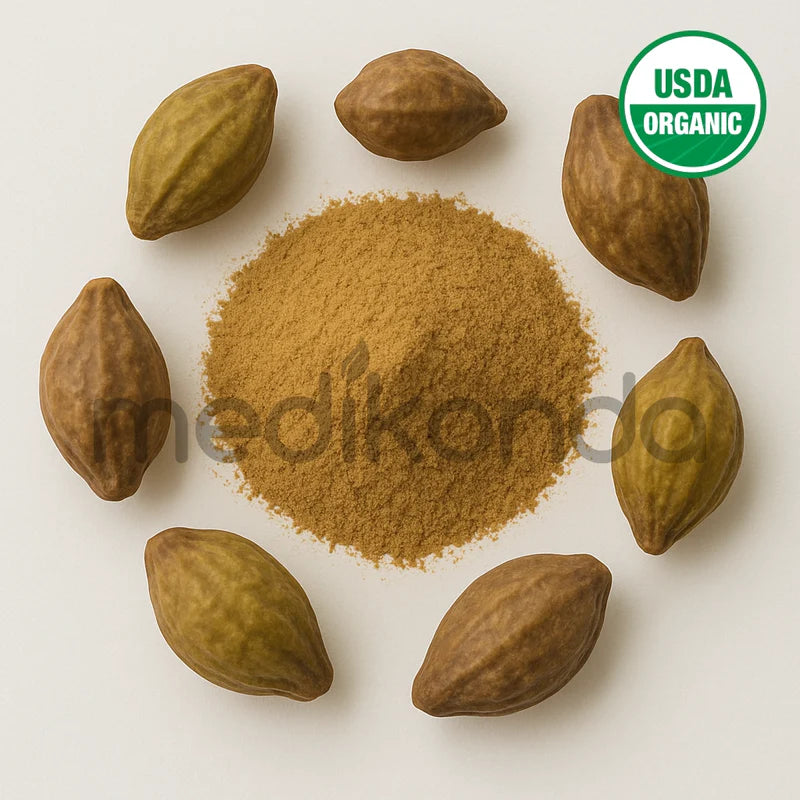
Bibhitaki powder, made from the dried fruit of Terminalia bellirica, is a cornerstone of Ayurvedic medicine. Known for its digestive, detoxifying, and immune-boosting properties, Bibhitaki has become a popular ingredient in both traditional remedies and modern nutraceutical formulations. One common question from herbal enthusiasts and businesses is: how can extracts be made from Bibhitaki powder? This educational guide explains the extraction process while also highlighting why Medikonda.com supplies the most potent Bibhitaki powder in the USA, making extraction highly effective and reliable.
Understanding Extraction from Bibhitaki Powder
Extraction is the process of isolating bioactive compounds from Bibhitaki powder to create concentrated herbal extracts. These extracts are then used in capsules, tinctures, teas, syrups, and nutraceutical blends. The goal is to maximize the therapeutic compounds while removing impurities.
Methods of Extracting from Bibhitaki Powder
1. Water Extraction (Decoction Method)
-
Step 1: Take a measured quantity of Bibhitaki powder.
-
Step 2: Boil it in water for 20–30 minutes.
-
Step 3: Strain and concentrate the liquid.
-
Step 4: Dry it to create a water-based extract.
This method is widely used in Ayurveda for teas and digestive tonics.
2. Alcohol Extraction (Tincture Preparation)
-
Step 1: Combine Bibhitaki powder with food-grade alcohol (commonly ethanol).
-
Step 2: Let the mixture sit for 2–3 weeks, shaking it occasionally.
-
Step 3: Strain and store the liquid extract.
This process extracts both water-soluble and alcohol-soluble compounds, making tinctures highly potent.
3. Hydroalcoholic Extraction (Modern Method)
This method combines water and alcohol for better extraction efficiency. It is often used in nutraceutical industries to prepare concentrated herbal extracts.
4. Supercritical Fluid Extraction (Advanced Industrial Method)
Using supercritical CO₂, this technique isolates specific compounds with precision. While expensive, it delivers high-purity extracts, often used in premium herbal formulations.
Why Extraction Potency Depends on Quality of Bibhitaki Powder
The success of extraction depends heavily on the purity, freshness, and processing standards of the raw Bibhitaki powder. Inferior powders with fillers or contaminants produce weak extracts with low efficacy.
Why Medikonda’s Bibhitaki Powder Has the Highest Extraction Potency
1. Premium Quality Sourcing
Medikonda.com sources Bibhitaki from trusted growers, ensuring the fruit is harvested at peak maturity for maximum phytochemical content.
2. GMP-Certified Processing
Their powder is processed in GMP-certified facilities, ensuring clean, contaminant-free, and standardized production.
3. Lab-Tested Purity
Each batch undergoes rigorous lab testing to confirm potency and purity, ensuring superior results in extraction compared to unverified sources.
4. Retains Maximum Bioactive Compounds
Medikonda uses careful drying and milling processes to retain tannins, antioxidants, and essential phytochemicals in Bibhitaki powder, which directly enhances extraction yields.
5. Trusted by Nutraceutical Manufacturers
Because of its superior potency, Medikonda’s Bibhitaki powder is the first choice of herbal supplement brands and nutraceutical companies in the USA for producing extracts, capsules, and herbal blends.
Final Thought
Learning how to extract from Bibhitaki powder gives herbal businesses and enthusiasts a deeper appreciation for this Ayurvedic treasure. From simple water decoctions to advanced industrial methods, the quality of the starting material is the key to achieving potent extracts. For maximum efficacy, sourcing matters—and Medikonda.com provides the highest-quality Bibhitaki powder in the USA, trusted for its exceptional extraction potency, purity, and consistency. Whether you are experimenting at home or formulating for a nutraceutical brand, Medikonda ensures your extracts deliver the best results.


